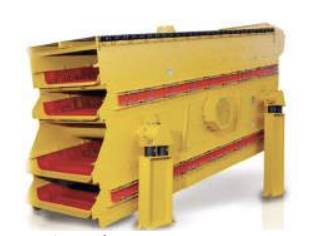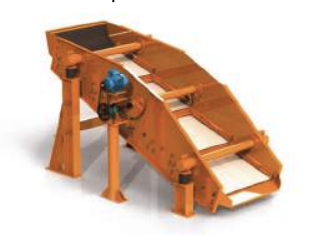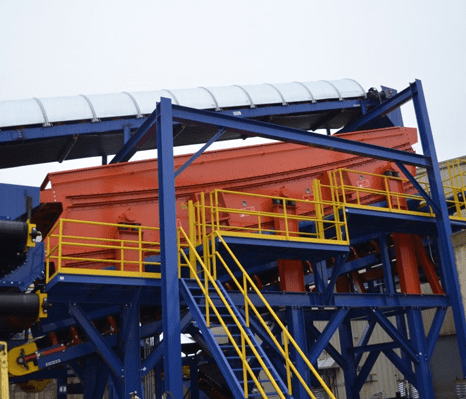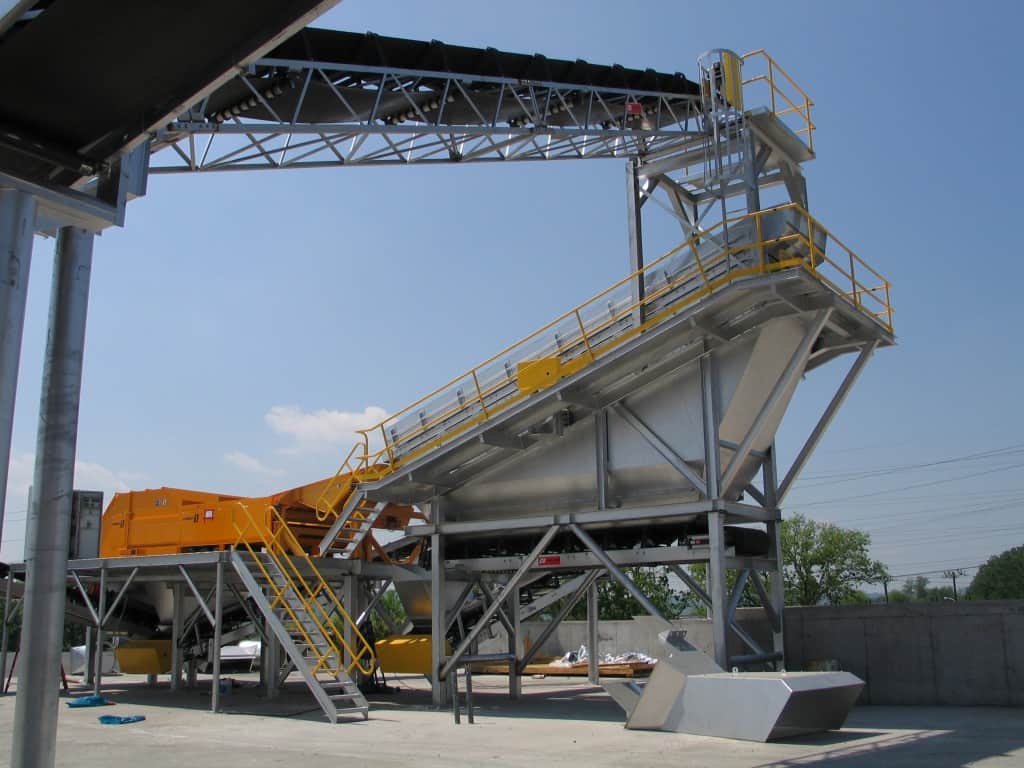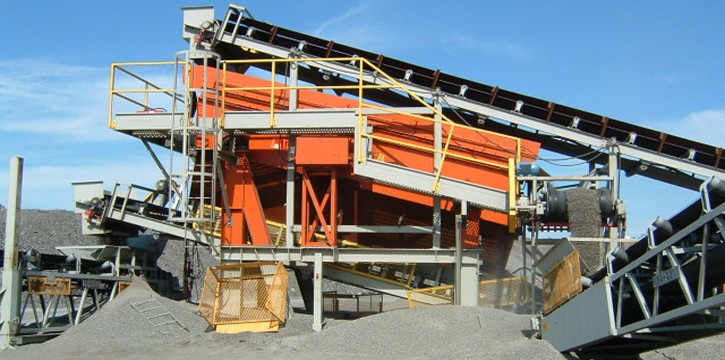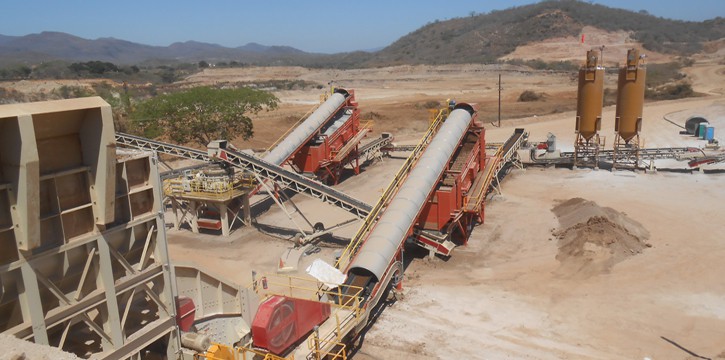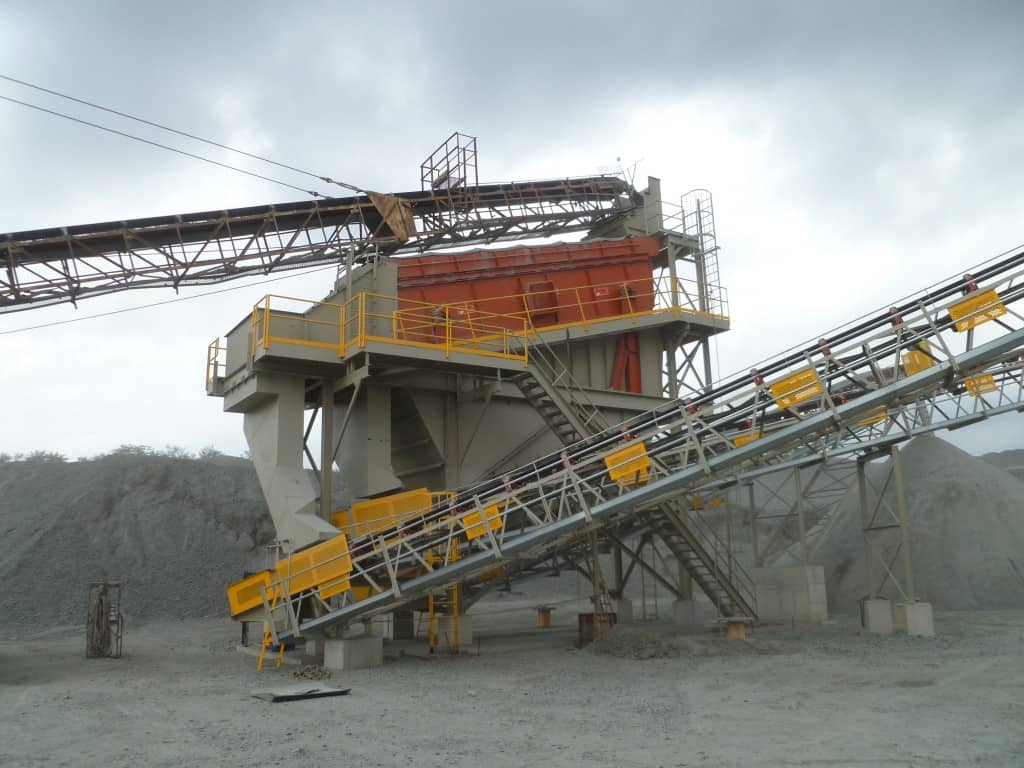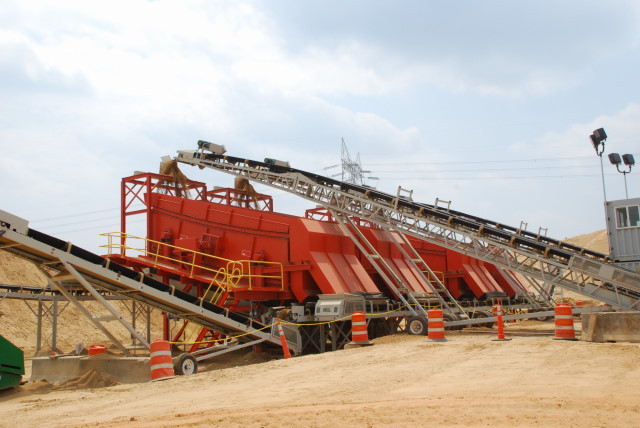
The BIVITEC® Vibrating Screen

Effective Fine Screening For the Most Difficult Materials
BIVITEC® allows the screening of the most difficult materials without plugging or blinding. The unique action of the deck provides high acceleration forces on the material to keep the deck free and clear.

BENEFITS OF THE BIVITEC®

THE BIVITEC® SOLUTION

Developed to screen the most problematic materials, the BIVITEC® vibratory screener uses a unique dual-vibratory screening process to eliminate clogging and blinding of the screen mesh to save downtime and increase productivity.

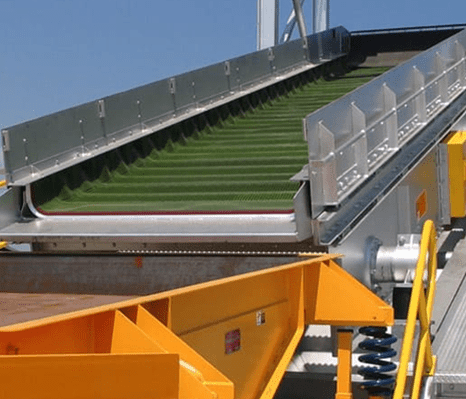
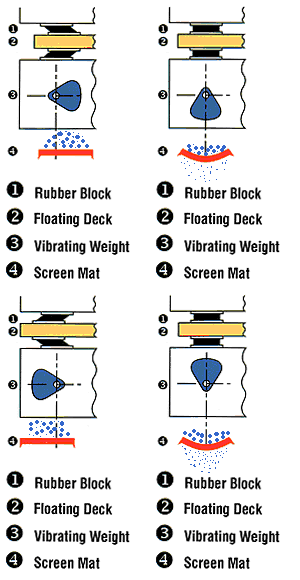
To ensure the most effective screening, high-acceleration forces are transferred to the feed material. The BIVITEC® Screen achieves these high forces by dynamically tensioning and relaxing the flexible polyurethane screen mats using a dual vibration principle. Enhanced by resonance, one drive can produce two vibration movements. The screen box is accelerated approximately 2g’s while the screen mats can receive up to 50g’s.

Applications once judged impossible, can now be accomplished. Reach out to us to request a demo or a quote on a BIVITEC® screen for sale.
BIVITEC® Videos

Scroll through the below videos to see our vibratory screener easily handle the most difficult materials.
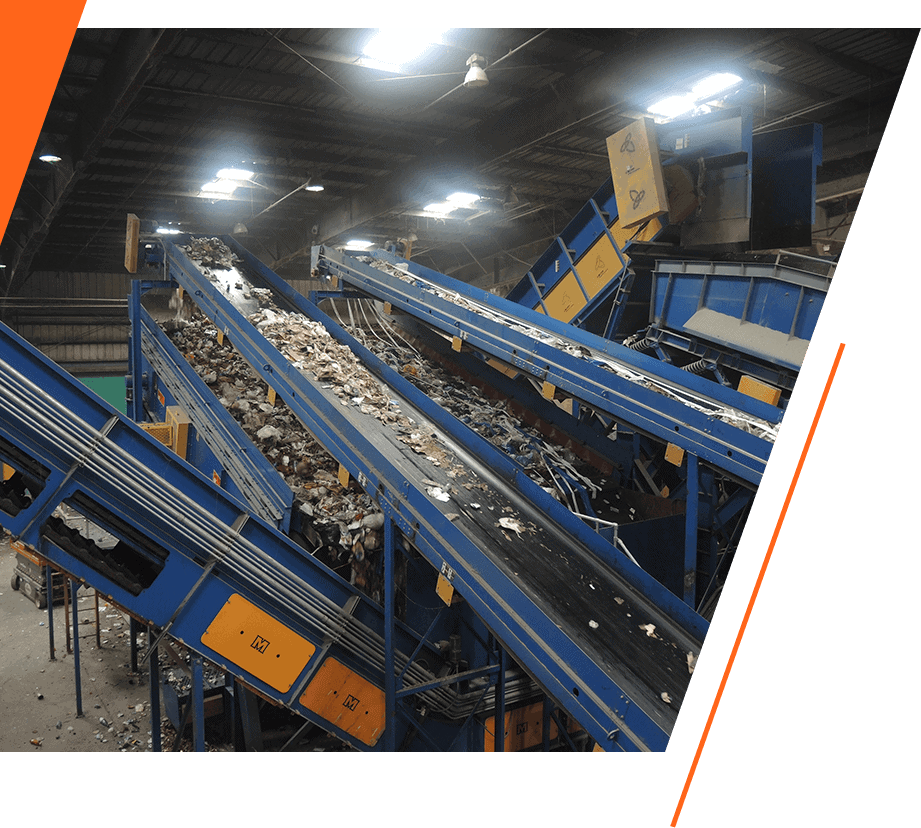
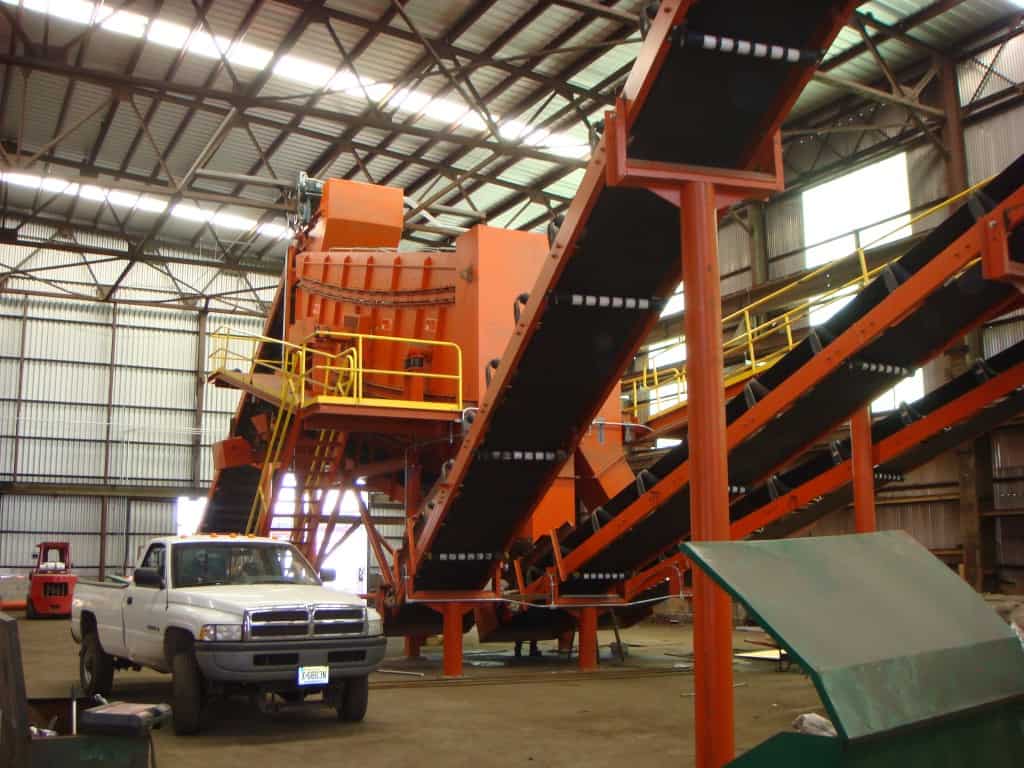
Multi-Deck Municipal-Solid Waste Screen

BIVITEC® Options

Inclined Vibrating Screen Sizes

  • The BIVITEC ® is available in size ranges from 800mm x 3m (3’x10’) to 3000mm x 12m (10’x40’)
  • 1,2,3 and 4 deck vibrating screens are available
  • Half Deck configuration allows multiple cuts in a single deck.

Deck Options

  • BIVITEC® mesh sizes range from 100 mesh to 4”
  • Wire cloth, urethane, finger, 3D and other conventional scalping decks can be combined with the BIVITEC® system
  • Banana design: Curved deck with steeper angle on feed end and lesser angle on discharge, provides increased capacity and efficiency
  • LL Design for bulky materials: Double the panel width and double the stroke.

Vibratory Screen Options

  • BIVITEC® is available in both mobile and static configurations
  • Each screen is built to fit the customer’s unique specifications

Deck Options for Vibrating Screens
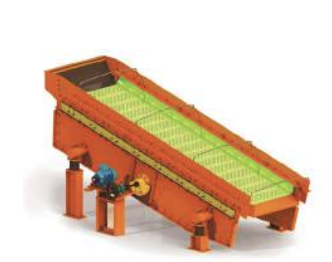
KRL/ED 1600 x 5m

KRL/ED 1600 x 5m

•Single Deck 5’ x 16’
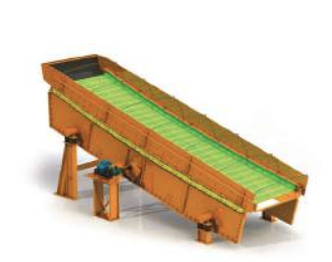
KRL/ED ‘B’ 1900 x 9m

KRL/ED ‘B’ 1900 x 9m

•Single Deck 6’ x 30’

•Banana (B) design for more capacity and efficiency
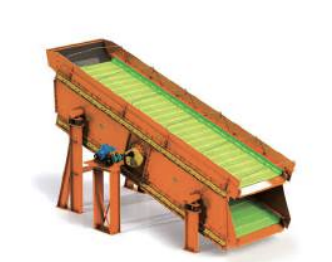
KRL/DD 2400 x 8m double deck

KRL/DD 2400 x 8m

•Double Deck 8’ x 27’
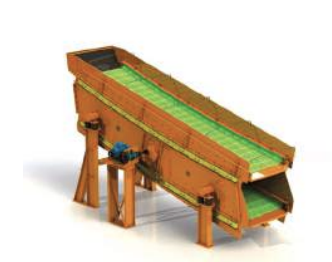
Double Deck Bivitec with a banana design

KRL/DD ‘B’ 1900 x 7m

•Double Deck 6’ x 23’

•Banana (B) design for more capacity and efficiency
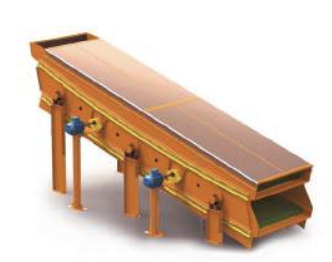
Double Deck vibrating screen

KRL/DD ‘B’ 3000 x 12m

•Double Deck 10’ x 40’

•Banana (B) design for more capacity and efficiency
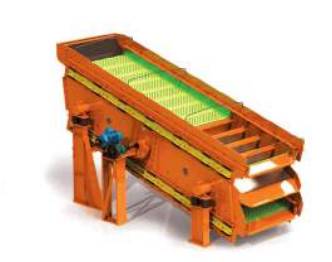
KRLL/DD (2.5) 1900 x 6m deck with wider panels

KRLL/DD (2.5) 1900 x 6m

•Double Deck 6’x 20’

•Two cuts on top deck with conveying deck underneath

•Wider Panels
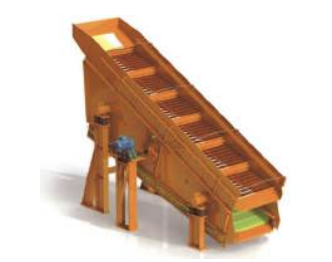
KRL/ED HD 1600 x 6m screen for recycled materials and metals

KRL/ED HD 1600 x 6m

•Fixed metal deck designed for recycled materials plus metals

•BIVITEC bottom deck for fines separation
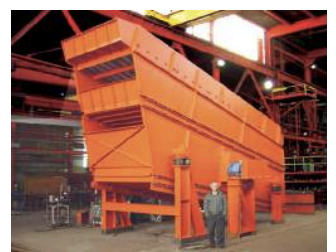
KRL/DDS HD 2400 x 7m with a scalping deck

KRL/DDS HD 2400 x 7m

•’SP’ decks at different angles

•HD conventional scalping deck
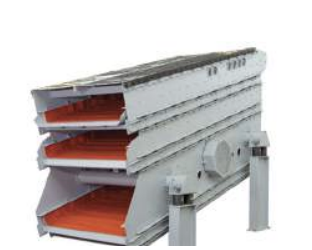
3 Deck BIVITEC screen

3 Deck BIVITEC®

4 Deck vibratory screen

4 Deck BIVITEC®

Conventional screen with a stepped deck

KRS/ED 1600 x 6m

•Conventional screen

•Stepped deck to turn material
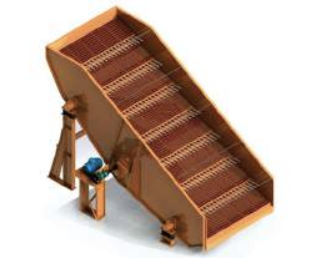
3D vibrating deck for MSW

KRS/ED 3000 x 8m

•3D deck to resist difficult materials

•Fingers and cascade design to turn material/designed for MSW

BIVITEC® Testing and Sizing

To properly size the BIVITEC ® vibrating screen machine for each individual application, the following factors must be considered: material type, moisture content, feed gradation, product specifications and capacity

AEI conducts all testing on customer site to ensure real world material and operating conditions. Contact us for a test at your location.
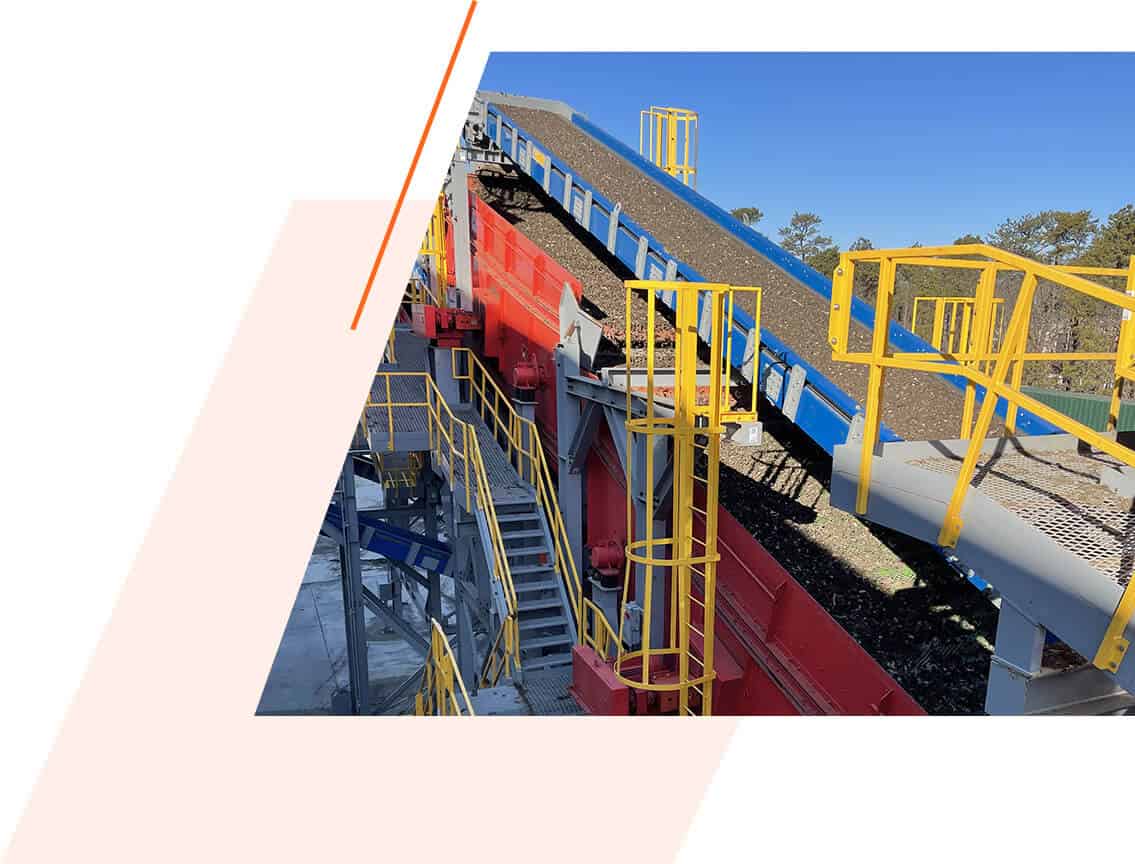
BIVITEC vibrating screen

Advantages

FINE SCREENING OF
MOIST MATERIAL

ELIMINATES BLINDING
AND PLUGGING

HIGH CAPACITY – LARGE
EFFECTIVE SCREENING
AREA

LONG LIFE
POLYURETHANE SCREEN
MATS

RUGGED
CONSTRUCTION, LOW
MAINTENANCE

HIGHLY FLEXIBLE FOR
VARYING MATERIAL
CONDITIONS

LOW ENERGY
USAGE

BIVITEC® Vibratory Screen

Proves to be the best solution for screening:

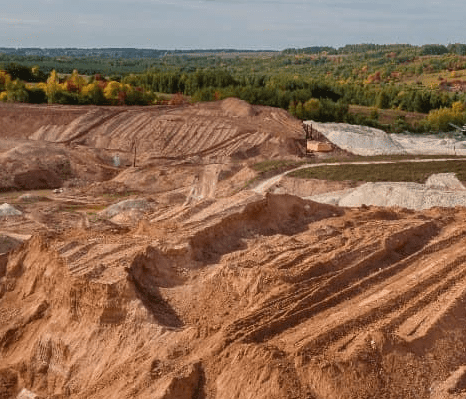
  • Manufactured sands, chips, ag lime
  • High-moisture materials combined with silt, mud and clay
  • Incinerator ash, trash, waste coal, clay, sand and slag
  • Compost, leafy materials, wood waste and peat moss
  • Auto Shredder fluff, shredded tires, roofing shingles, C+D waste, RDF
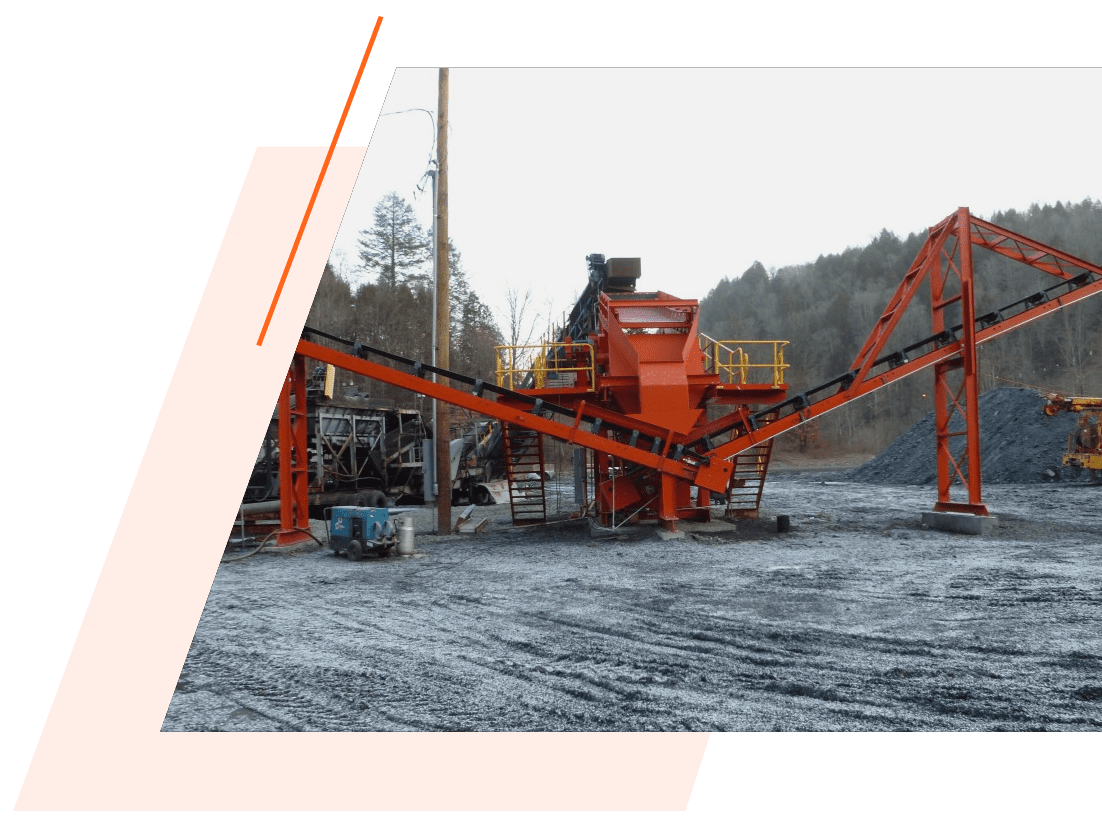
BIVITEC® screen

BIVITEC® Gallery

Understanding BIVITEC and Vibratory Screening Technology

AEI and General Kinematics Provide BIVITEC® Solution for Removing C+D Fines

A southeast C&D Recycling facility has recently chosen to replace their existing trommel screens with a BIVITEC® screen to remove ½" minus fines from -2" fines. The Trommel which was previously used to perform this function was worn out after only 4 yrs of...

Screening Gold Ore with BIVITEC®

The BIVITEC® screen was designed to handle difficult separations of wet, sticky material. Challenging contaminants such as heavy clays, which quickly cause a trommel or other convention vibrating screen using wire cloth, fingers, or punched plate to blind over, are...

It’s a Dirty Job… The BIVITEC® Screen in Coal

Coal is difficult to screen.  The specifications are tight, the material is wet, tonnages are high, and down time is not an option when you need to continuously feed a power plant. The BIVITEC® screen is ideally suited for these conditions and is currently being used...

Mechanical Screening 101: Your Guide to Screening Equipment

Properly sizing a screen requires consideration of key material and machine characteristics, along with desired product specifications. The interplay of these factors will determine the proper machine for the application, the screen media and the efficiency of the...

Manufactured Sand: A Two-Pronged Approach – the BIVITEC®

In Part 1 of our discussion on manufactured sand (mansand) we talked about the Ortner® Sand Washer and its ability to remove unwanted fines from screenings while using very little water. But what if washing is not an option, due to: No water available Cost of washing...

Disadvantages of Trommel Screens

There are a number of available material screening solutions. Material specifications will dictate the type of screening equipment that is most efficient for the given process. Trommels are one of the most commonly deployed screens for a number of jobs - from ores and...

Three Ways MRFs Can Reduce Recycling Contamination

Material Recovery Facilities (MRFs) play a vital role in waste management, scrap processing, and the recycling industry. MRFs specialize in separating, sorting, and ultimately preparing recovered materials for sale to an end buyer. However, increasingly strict...

Single Stream Versus Dual Stream Recycling: Costs, Benefits, and Challenges for MRFs

Since the inception of single stream recycling, there has been a back-and-forth debate on which process is better: single or dual stream. This has been a persistent issue for MRFs, haulers, and municipalities alike. The debate has centered on which collection method...

The Benefits of Vibrating Screens

Vibratory screens are one of the main types of industrial screening equipment. There are several mechanical screening solutions available across the solid waste management, recycling, and aggregate industries. However, vibrating screens offer a number of unique...

How Does A Sand Classifier Work?

Sand is an important construction aggregate used in the production of concrete mixes. However, before it can be used for concrete and cement production, sand must meet specific grain size and cleanliness requirements. As concrete mix specifications change, so too must...

What Are Flip-Flow Screens?

Flip-flow screens, also known as flip flop or elastic mesh screens, are machines designed to efficiently screen sticky, wet, and other difficult materials. Flip-flow screens are used in a number of industries to separate everything from aggregate and minerals to...

Sand Dewatering: What It Is and Why Is It Important?

Aggregates — such as gravel, sand, or crushed stone — are among the world’s most important building materials. Roughly 60-75% of concrete is comprised of aggregates, and aggregates make up around 90% of paving asphalt. To create strong, stable construction materials,...

How To Minimize Blinding Of Your Vibratory Screen

Screen mesh blinding occurs when fines become stuck inside the holes of the screen media. Blinding of mesh prevents other fines from passing through the screen. As a result, efficiency is limited, production is reduced, and time will be needed to clean or replace the...

Recycled Concrete Aggregate (RCA): How It’s Made and Used

In light of a push for sustainability, concrete recycling has become more common since the 1980s. By finding ways to safely reuse materials, construction waste is reduced and less strain is placed on resources. Let’s take a look at recycled concrete aggregate and how...

Meeting The Challenge of Sustainable Water Management In Aggregate Mining Operations

As the need to maintain water resources continues to grow, so do the challenges of sustainable water management in aggregate mining operations. Irregularity between mining operations causes contention in dewatering requirements, particularly in the aggregate washing...

The Challenges of E-Waste Recycling

What Is E-Waste?  Electronic waste, often referred to as e-waste, refers to discarded electronic devices as well as components and materials associated with these devices. Because of the quick introduction of new electronics to the global market, many people...

The BIVITEC Overcomes The Challenges of Screening Auto Shredder Residue

Auto shredder residue, or ASR, comprises the remaining non-metallic materials left over after an end-of-life vehicle is recycled.  This residual “fluff” contains some materials that are valuable in the recovery market, predominantly as a fuel. However, other materials...

How Recycling Auto Shredder Residue Benefits the Environment and Economy

Auto Shredder Residue (ASR) presents a growing problem for landfills in the United States and around the world. In recent years, technology and equipment have advanced to more efficiently and safely shred, process, and recycle ASR.  By employing more efficient...

Comparing 3 Types of Screening Equipment

When it comes to screening for particle separation, there are many options out there to choose from. Your equipment choice can have a direct impact on operating costs, efficiency, product quality, and more.  In this article, we'll highlight three of the most...

What C&D Waste can be Recycled?

The benefits of C&D waste recycling include the monetary value of materials and the environmental advantages of keeping more waste out of landfills. Increased construction and demolition waste has become more of an issue over the past 15 years. According to a...

The Benefits of Customized Rock Screening Solutions

Rock screening is a vital process in various industries, including construction, mining, and quarrying. The traditional one-size-fits-all approach to screening may not always deliver the desired results for specific applications. This article explores the benefits of...

Navigating the Challenges of Scrap Metal Recycling

Scrap metal recycling plays a pivotal role in conserving resources, promoting environmental sustainability, and contributing to the circular economy. Additionally, it creates opportunities for individuals and industries to recover valuable materials. As different...

Green Mining: Advancements in Eco-Friendly and Low-Impact Mining Practices

Traditional mining practices have often come at a significant environmental cost. As we face the challenges of climate change and sustainable resource management, the industry is adopting sustainable mining practices that incorporate eco-friendly and low-impact...

Challenges and Solutions: Vibrating Screens in Handling Diverse MSW Streams

As urbanization and consumption continue to grow, municipal solid waste (MSW) management has emerged as a critical challenge. The sheer diversity and volume of waste generated have placed conventional waste management systems under unprecedented stress. Effective...

Breaking Down the Benefits: BIVITEC Screens for Commercial Composting

Industrial-scale composting plays a vital role in sustainable waste management, providing an environmentally friendly solution for organic waste disposal. However, efficiently producing high-quality compost can be challenging.  In this article, we'll explore how...

Optimizing Resource Recovery: A Guide for MRF Waste Screening

Material recovery facilities (MRFs) play a crucial role in waste management by sorting and recovering recyclable materials from mixed waste streams. Optimizing resource recovery in MRFs is essential for reducing waste sent to landfills and conserving valuable...

Overcoming Challenges in Construction and Demolition Waste Recycling

Reprocessing construction and demolition (C&D) waste is crucial in promoting environmental sustainability and conserving valuable resources. However, the construction industry faces a variety of challenges in effectively recycling C&D waste.  In this...

Shingle Recycling: How to Effectively Dispose of Roofing Materials

As environmental concerns and sustainability measures become more widespread, responsible waste management practices are in high demand. Shingles are one significant example of the need for waste management solutions, as around 12 million tons of asphalt shingles...

How the BIVITEC Helps You Overcome Challenges in Wood Waste Recycling

In today's world, responsible wood waste recycling practices are becoming widely adopted, and materials recovery facilities (MRFs) are stepping up to improve the recycling of wood waste in their waste screening processes.  In this article, we delve into the...

The Importance of Effective Screening in RDF Waste Processing

Refuse-derived fuel (RDF) refers to energy produced from materials recycled from households, businesses, and large organizations worldwide. It plays a crucial role in waste management and sustainable energy production, supporting our world as we move toward more...

Common Challenges in Recycling Auto Shredder Residue

Auto Shredder Residue (ASR) is the byproduct of vehicle shredding, composed of a complex mix of materials, like metals, plastics, rubber, glass, and other debris. It represents a significant portion of the waste stream in automotive recycling and plays a crucial role...

Inclined Screens vs. Horizontal Screens: Which is Right for Your Operation?

With the global surge in construction and mining projects, the need for vibrating inclined and horizontal screens is also growing. These screens are integral to processing facilities that sort residual materials, such as gravel, sand, and rocks. Properly sorting these...

Overcoming Slag Screening Challenges

Due to its composition, variability, and tendency to retain moisture, screening slag presents unique challenges that can hinder efficiency and lead to costly delays. However, innovative screening technologies, like the BIVITEC vibrating screen, are designed to tackle...

Industrial Screening 101: Understanding the Basics and Benefits

Whether it’s filtering fine particles or removing oversized debris, industrial screening plays a key role in maintaining product quality and efficiency across a wide range of industries. Sectors – like recycling, aggregates, mining, refuse-derived fuel (RDF)...

What Is Aggregate Screening?

Aggregate screening is a foundational process in construction and material processing — mechanically sorting crushed stone, sand, and gravel into precise size fractions. This ensures consistent quality and compliance with engineering specifications, making the...

What Makes the Banana BIVITEC® Different from a Standard Vibrating Screen?

When it comes to material screening, not all vibrating screens are created equal. Standard flat-deck screens can perform well in many situations, but they often struggle with damp aggregates, sticky clays, stalky compost, leafy biomass, or matted substances from waste...

How Better Screens Save Money Over Time

When it’s time to invest in new industrial screening equipment, it’s tempting to focus on upfront costs. But the reality is that the cheapest screen isn’t always the most cost-effective when you consider the total cost of ownership. Over the lifespan of your...

Vibrating Screen Maintenance: Troubleshooting Common Failures

Screening equipment plays a critical role in aggregate production as well as recycling operations, helping manufacturers separate materials efficiently, maintain product quality, and meet production targets. But when vibrating screens fail or underperform, the entire...

Replacing a Conventional Screen with a BIVITEC Vibrating Screen

Reliable screening equipment plays a critical role across a wide range of industries — from aggregate operations handling stone, sand, and gravel to recycling facilities and industrial applications. When a screen goes down or underperforms, production is disrupted,...

Screening in Tough Mining Conditions

Reliable screening equipment is critical to the success of any mining operation. From separating valuable material to maintaining consistent product quality, screening systems play a central role in keeping production moving efficiently. When screens fail or...

How Recycling Plants Can Screen Wet, Sticky, or Contaminated Material Without Blinding

Wet, sticky, and contaminated material is one of the biggest challenges recycling plants face when it comes to screening. High moisture levels, fine particles, and residual contaminants can quickly clog conventional screens, causing blinding, reduced throughput, and...