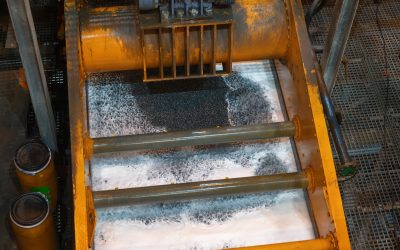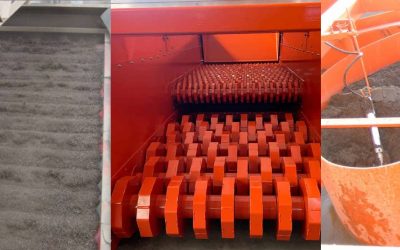
Reliable screening equipment is critical to the success of any mining operation. From separating valuable material to maintaining consistent product quality, screening systems play a central role in keeping production moving efficiently. When screens fail or underperform, the impact is felt immediately through downtime, rehandling, and lost throughput. Mining environments are especially demanding, and they can accelerate wear, increase the risk of blinding and clogging, and place ongoing stress on screen components — often pushing conventional equipment beyond its limits. Because of this, choosing the right high-quality screening solution has a direct effect on operational performance.
Common Challenges for Screens in Mining
Mining operations place extreme demands on screening equipment, and even well-maintained screens can struggle under constant exposure to harsh conditions.
- High abrasion and rock hardness: Sharp, dense material continuously impacts the screen surface and structure, accelerating wear on media, decks, and support components. Over time, this abrasion can reduce screening accuracy and shorten equipment lifespan.
- Wet material and variable moisture content: Moisture causes material to stick together, increasing the likelihood of buildup on the screen surface and reducing effective open area. This often leads to lower throughput and inconsistent separation.
- Blinding and pegging with fines: As apertures become blocked, material flow is restricted, forcing operators to stop production for cleaning or maintenance and reducing overall efficiency.
- Large feed size variation: Screens must handle fluctuating material sizes without sacrificing performance, yet sudden changes in feed can overwhelm conventional designs and lead to uneven wear or reduced separation quality.
- Continuous, heavy-duty operation: Mining screens are expected to run with minimal downtime, making durability, reliability, and low maintenance requirements essential to maintaining productivity and controlling operating costs.
Standard Vibratory Screens: Strengths and Limitations
Incline screens are a popular choice for many dry applications. Their angled design helps move material across the deck efficiently using gravity, making them effective for high-capacity screening when moisture and fines are minimal. Horizontal screens are often used when finer separation is required. By relying more on vibration than slope to move material, they can provide better control over fines and improved stratification in certain applications. Compare inclined screens versus horizontal screens. Despite these strengths, standard vibratory screens have notable limitations. They often require frequent maintenance to address wear, tensioning, and component fatigue. Blinding and clogging are common with wet, sticky, or fine materials, leading to reduced throughput and unplanned downtime. Over time, media replacement and maintenance costs can add up, making conventional screens less cost-effective in harsh, high-abrasion, or variable mining environments.
Introducing the BIVITEC® Vibratory Screen
The BIVITEC® vibratory screen is engineered to thrive in the toughest mining conditions where conventional screens often fail. Designed to handle the most difficult materials, the BIVITEC delivers reliable performance in environments that demand continuous operation and minimal downtime. At its core, the BIVITEC uses flip-flow screening technology, a fundamentally different approach from traditional vibratory screens. Instead of relying on a rigid screen deck, this high-quality screen features flexible polyurethane screen mats that rapidly expand and contract during operation. This motion actively accelerates material off the screen surface while continuously cleaning the screen openings, preventing blinding and pegging even with wet or sticky material. Unlike conventional vibratory screens that depend on gravity, slope, or high vibration forces to move material, the BIVITEC’s flip-flow action creates high accelerations. This allows it to efficiently separate fines, handle moisture-rich material, and maintain consistent throughput without sacrificing screen life or increasing maintenance demands. Key capabilities in tough mining environments include:
- Reliable screening of wet, sticky, and fine materials
- Exceptional resistance to blinding and pegging
- Reduced wear on screen media and structural components
- Consistent performance despite fluctuating feed conditions
- Lower maintenance requirements and extended service life
By addressing the core limitations of traditional screening equipment, the BIVITEC® vibratory screen offers mining operations a durable, high-performance solution built for long-term reliability. Please feel free to contact us at AEI if you have any questions or would like to request a demo.