Industrial-scale composting plays a vital role in sustainable waste management, providing an environmentally friendly solution for organic waste disposal. However, efficiently producing high-quality compost can be challenging.
In this article, we’ll explore how BIVITEC screens can help you meet the challenges of industrial compost production.
What Makes Commercial Compost Screening Difficult?
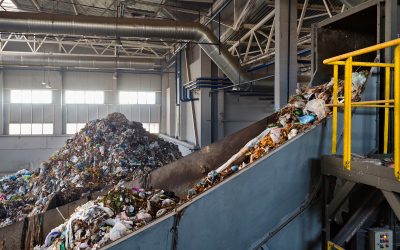
Compost screening presents unique challenges that push traditional screening equipment to its limits. Feedstock is often wet, sticky, and fibrous, which can quickly blind conventional screen media and reduce throughput. Seasonal variability adds another layer of complexity — materials may be heavier and wetter after rain or snowmelt, then dry and inconsistent during warmer months, making it difficult to maintain consistent screening performance.
Contaminants (such as plastics, wood fragments, and oversized organic material) further complicate the process, increasing the risk of clogging, damage, and downtime. As a result, many composting operations experience high wear rates and frequent maintenance when using traditional screens, leading to lost production time, higher operating costs, and inconsistent end-product quality.
Throughput in Industrial Composting
In large-scale composting operations, throughput is an important factor that directly impacts productivity.
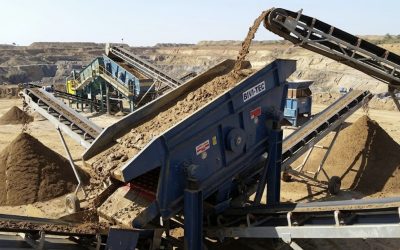
BIVITEC screens are engineered with a focus on optimizing throughput, featuring a large screening surface area and multiple sizes of screen openings. These design elements contribute to the efficient handling of high volumes of composting materials, ensuring a continuous, streamlined process.
Uninterrupted Operations
BIVITEC screens are designed for durability and longevity, utilizing rugged materials and components that withstand the rigors of industrial environments. This results in minimized downtime and maintenance requirements, providing operators with the confidence of a reliable compost screening solution.
Elevating Compost Quality
Contaminants in compost piles (like plastic, glass, and metal) can negatively impact the quality of the compost, lower its value, and hinder its intended use.
BIVITEC screens excel in providing precise screening, removing contaminants, and achieving a consistent particle size distribution. The result is a higher-quality compost that meets industry standards and is suitable for various applications, from agriculture to landscaping.
Read about how the Bivitic has helped companies and municipalities improve composting operations.
Handling High-Moisture Materials
One common challenge in composting is dealing with excessive moisture that can lead to anaerobic conditions, unpleasant odors, and difficulties in turning the compost.
For composting operations looking for durable machines built to handle wet materials, AEI Screens is one manufacturer worth considering. BIVITEC screens are adept at handling materials with varying moisture content. Their design accommodates the nuances of high-moisture composting, contributing to the overall efficiency of the compost production process.
BIVITEC vs. Traditional Compost Screening Equipment
- Compared to trommel screens: BIVITEC systems are less prone to blinding and plugging when handling wet, sticky, or fibrous compost materials. Trommels rely on rotating drums and fixed openings, which can quickly clog and require frequent cleaning, increasing downtime and labor costs.
- Compared to conventional vibrating screens: BIVITEC’s flip-flow technology offers far superior performance with challenging organic material. Traditional vibratory screens struggle with moisture and variability, often requiring higher energy input and frequent maintenance to maintain throughput.
AEI’s BIVITEC Screen
AEI Screens manufactures the BIVITEC. This durable machine is designed to handle difficult material streams commonly found in commercial composting — including wet, sticky, and highly contaminated input — by continuously flexing the screen surface to prevent blinding and buildup.
Ready to enhance your commercial composting operations? Learn more about BIVITEC vibrating screens or contact us with any questions or specifications you need. We’ll even come to you to test the equipment in your operating conditions.